Vascular health: The hidden weight on Black hearts
By Dr Izie Allison-Omoruyi, GP and Lifestyle Medicine Physician · Module content with Dr Sodiq Olatunbosun Lawal
8 min read
In short: Black people carry a heavier burden of high blood pressure, type 2 diabetes and stroke, largely because of social conditions, salt-heavy seasonings and unequal access to care. Knowing your numbers and following the ABCDE of prevention (alcohol, blood pressure, cholesterol, diabetes and diet, exercise) can lower that risk.
Key takeaways
- In South London, stroke is around twice as common in Black people as in white people, and it strikes years earlier.
- People of Black African and Caribbean heritage are around three times more likely to get type 2 diabetes.
- Stock cubes and seasoning mixes are a major hidden source of salt, so low-salt swaps make a real difference.
- High blood pressure usually has no symptoms, so the only way to know is to get checked.
As a GP and lifestyle medicine physician, I spend a great deal of my time talking to people about their hearts, their blood vessels and their blood sugar. And the same pattern keeps showing up: heart disease, diabetes and stroke weigh more heavily on Black people than on almost anyone else. In this piece I want to explain why, what it means for your body, and, most importantly, what we can do about it.
Why the risk is higher
Race and ethnicity play a real role in heart disease and stroke, but not because there is something wrong with being Black. Black adults carry a higher burden of high blood pressure, diabetes and stroke than their white counterparts, largely because of social factors: limited access to resources, to quality education, to good healthcare and to safe living environments. These are not simply choices individuals make. They are conditions many people live in.
There is also something much closer to home, and that is the amount of salt in our cooking. Much of it comes from the food enhancers we rely on for flavour, the stock cubes and seasoning mixes that sit in almost every African and Caribbean kitchen. All of these factors feed into the high blood pressure disparities we see among Black people.
High blood pressure: the thread that runs through it all
In the United States, around 58 to 60% of Black adults have high blood pressure, one of the highest rates in the world. In the UK, people of Black African and Black Caribbean heritage are also at higher risk than white people, and in South London stroke is around twice as common in Black people and strikes years younger. That matters because high blood pressure does not stay in one place. It raises the risk of heart disease, stroke, organ damage, heart failure, kidney failure and stroke-related death. In other words, every organ in your body can be affected.
It is also important to understand that a stroke is not a single event. Once you have had one, many other things can follow, and your risk of dying increases. These trends persist in the UK and across the global Black diaspora. Wherever you find Black people in the world, you find the same pattern.
What makes high blood pressure so dangerous is that most people who have it feel perfectly well. You cannot rely on symptoms to tell you something is wrong. The only way to know is to have your blood pressure checked, and to keep checking it.
Diabetes affects every organ
Diabetes harms the blood vessels in the kidneys, the brain and the heart. I describe it as a multi-system, multi-organ, multi-vascular disease, because it affects every organ and every vessel in the body. It is never "just diabetes". Left unchecked, it can affect your eyes, your feet, your kidneys and your heart.
Diabetes damages blood vessels and often comes with unhealthy cholesterol levels, and people with diabetes are about twice as likely to have a stroke. Unhealthy lifestyle choices contribute to a large share of early deaths. But we also know for a fact that positive changes, such as exercise, a healthy diet and quitting smoking, significantly reduce the risk of heart disease. The same lifestyle that raises the risk can lower it.
The ABCDE of prevention
A simple way to remember the lifestyle changes that protect your heart and brain is ABCDE.
A is for alcohol. There is no easier way to say this: if you drink alcohol, plan to stop, because alcohol causes a lot of problems. At the very least, stay within 14 units a week, spread over three or more days, with several drink-free days.
B is for blood pressure. The goal is to bring it down. With the right changes, some people have gone from taking two or three blood pressure medications to taking none at all. But please never stop your medication on your own. Many people will need it long term, and any change should be made with your doctor.
C is for cholesterol. High "bad" cholesterol increases your risk of heart disease and stroke, so work with your doctor to bring your levels down.
D is for diabetes and diet. Type 2 diabetes is one of the chronic illnesses that healthy lifestyle changes can improve and, for some people, put into remission. Diet is at the centre of that. We need to eat more whole foods, more plants, more fruit and more vegetables, drink more water, and cut down on processed foods.
E is for exercise. Exercise is essential. Focus on what you can do, and do it consistently. Consistency will always beat intensity.
Small swaps in the kitchen
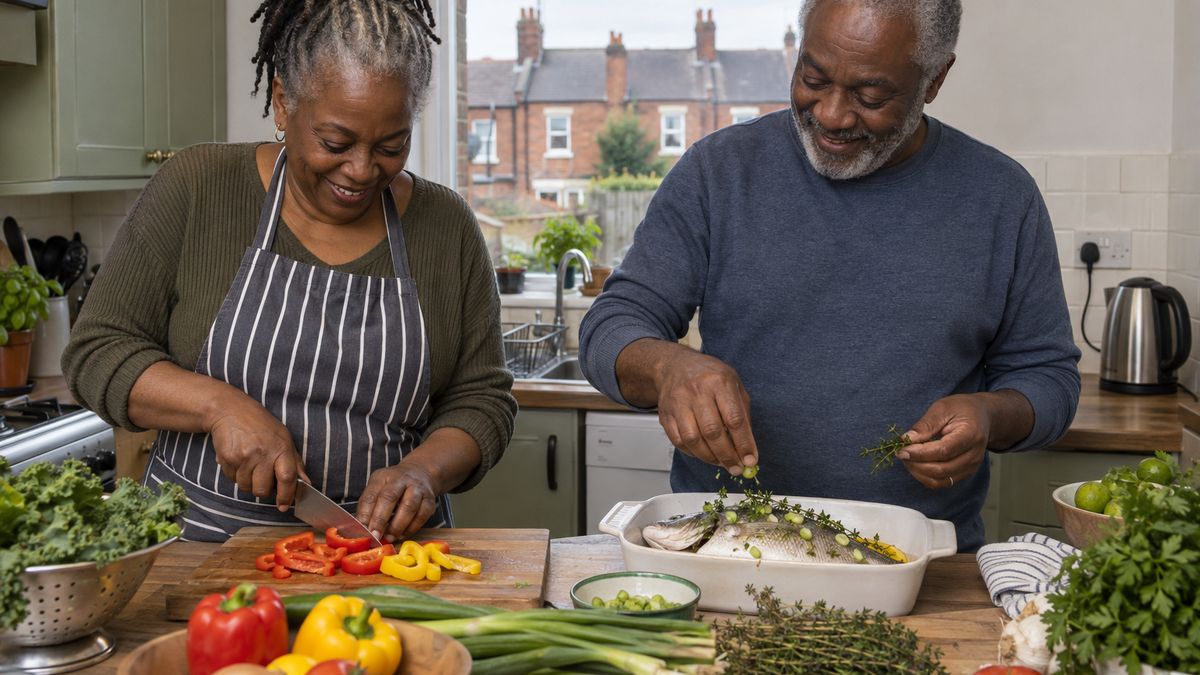
Changing how we cook does not mean giving up the food we love. There are good, healthy choices you can bring into your home and use every day that will make a massive difference:
- Lower-sodium salt alternatives in place of regular table salt
- Low-salt or zero-salt stock cubes in place of standard ones
- Seasoning with herbs, spices, garlic, onion and pepper so you need less salt for flavour
- Checking labels on seasoning mixes, which can be high in salt and flavour enhancers
These swaps are simple, but because salt drives so much of the high blood pressure in our community, they are among the most powerful changes you can make.
How systemic racism shapes heart health
I would only be telling you half the story if I stopped at lifestyle. Systemic racism affects cardiovascular health among Black people in several concrete ways.
Access to healthcare. Where you live determines the kind of healthcare you can reach.
Socioeconomic disparities. How much you earn and your level of education affect how much access to healthcare you have.
Access to nutritious food. Organic produce and grass-fed meat are expensive. It is so easy to go down to the chip shop or a cheap takeaway and buy something processed, but good food costs more. The more you earn, the more access you have.
Lack of representation in clinical trials. Far more clinical trials are carried out in white people than in Black people, which means the evidence our treatments are based on often does not reflect us.
Generational health. Yes, disease runs in families. But habits run in families too, and that is something we can change for the next generation.
What needs to change
To tackle these disparities we need several things at once.
- Policy change: policies need to change in favour of Black communities.
- Improved healthcare: better services in the communities where Black people live.
- Community engagement: people coming out, engaging with society and speaking up.
- Education: the more you know, the more you can question things and seek what you need to better yourself.
- A real fight against systemic racism.
What you can do today
You do not have to wait for the system to change before you protect yourself. Know your numbers: get your blood pressure, cholesterol and blood sugar checked, especially if heart disease, diabetes or stroke runs in your family. Look at the salt in your kitchen. Find a form of movement you can keep doing. If you drink, start planning to stop. And if you are already on treatment, keep taking it and keep talking to your doctor about how it is going.
Above all, speak up. Ask questions about your results, your medication and your options. Education is how we start to reverse the damage systemic racism has done to Black hearts, one household at a time.
Watch the original HEAL talk
Watch Dr Izie Allison-Omoruyi's HEAL for Black People talk on YouTube (6:24)
Frequently asked questions
In the UK, stroke is about twice as common in Black African and Black Caribbean people as in White people, and it often happens at a younger age. The main driver is high blood pressure, which is more common and often starts earlier. Diabetes, deprivation and poorer access to care also add to the risk.
Yes. Diabetes UK says people of Black African and Caribbean background are around three times more likely to get type 2 diabetes than White people, and often at a younger age. Keeping to a healthy weight, eating more whole foods and moving regularly lowers the risk, and a free NHS Health Check can pick up early signs.
For some people, type 2 diabetes can go into remission. This means blood sugar stays in the normal range for at least three months without diabetes medicine, usually after significant weight loss. Remission is not a cure and may not last, so regular check-ups are still needed. Never stop diabetes medicine without talking to your doctor.
Swap standard stock cubes for low-salt or zero-salt versions, check labels on seasoning mixes, and season with herbs, spices, garlic, onion and pepper instead. The NHS advises adults to eat no more than 6g of salt a day, about a teaspoon. Most of it is hidden in processed foods and seasonings, not the salt shaker.
- High Blood Pressure Among Black Adults. American Heart Association, last reviewed 14 August 2025
- How your ethnic background affects your risk of heart and circulatory diseases. British Heart Foundation, undated research page
- Racial/ethnic disparities in stroke incidence widening in the UK (South London Stroke Register). TCTMD, 7 May 2026
- Diabetes: causes, symptoms and treatments. British Heart Foundation
- Ethnicity and risk of type 2 diabetes and its complications. Diabetes UK
- Alcohol units. NHS, last reviewed 27 August 2024
- How inclusive were UK-based randomised controlled trials of COVID-19 vaccines? Herieka H et al., Trials, 2024
- Salt: the facts. NHS, last reviewed 17 April 2023
Read next in the HEAL series
All articles in the HEAL series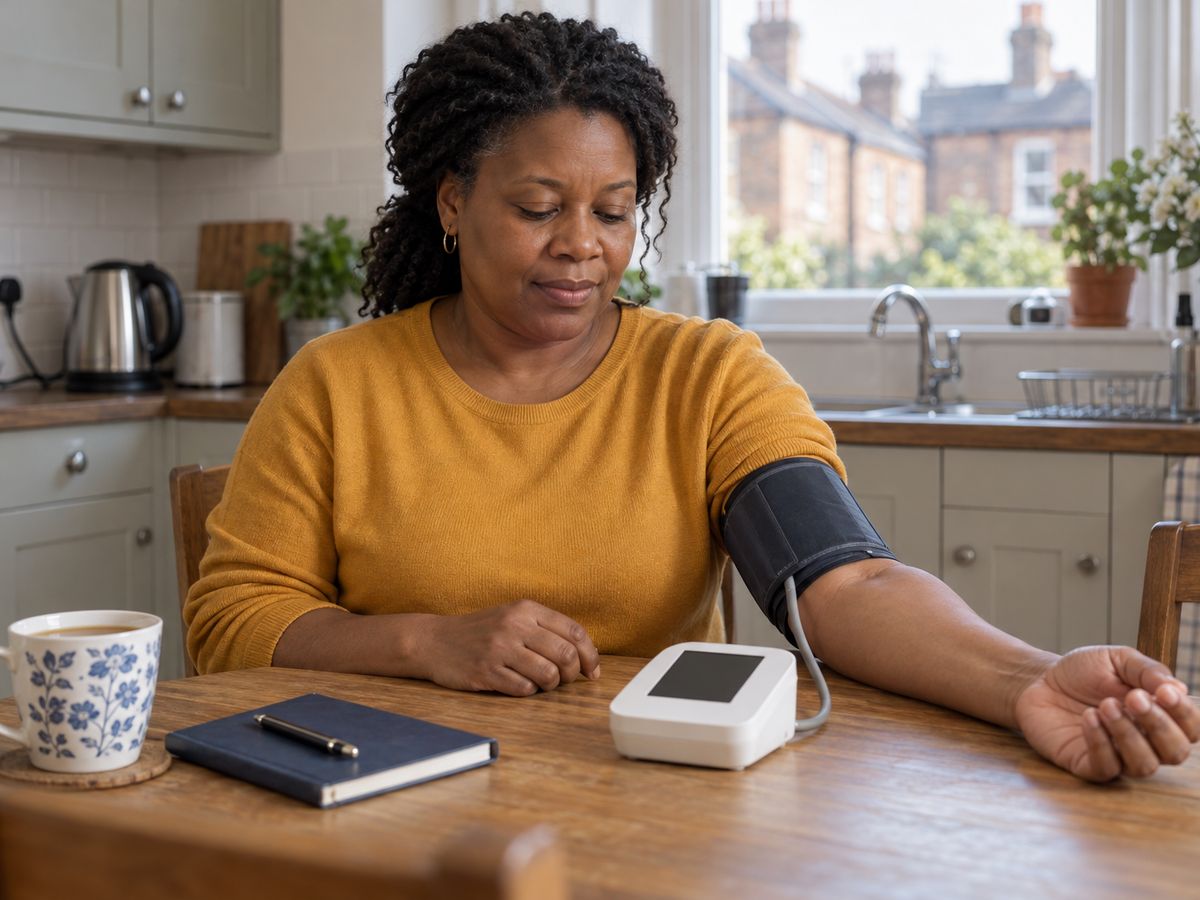 Special feature
Hypertension works differently in Black bodies
A GP diagnosed with hypertension at 27 explains UK blood pressure targets, how to check at home and which medicines work best for Black people.
Dr Itunuoluwa Johnson-SogbetunVideo length 18:44 Muscular and joint health
The vitamin D gap in our joints
Why dark skin makes less vitamin D, how lupus and arthritis affect Black people, and the NHS supplement advice every Black Briton should know.
Dr Jessica KatangaVideo length 7:48 Introduction
Why we built HEAL
GP Dr Itunuoluwa Johnson-Sogbetun on the health gaps facing Black people in the UK and worldwide, and why education is the first step to closing them.
Dr Itunuoluwa Johnson-SogbetunVideo length 13:54