Introduction
Why we built HEAL
GP Dr Itunuoluwa Johnson-Sogbetun on the health gaps facing Black people in the UK and worldwide, and why education is the first step to closing them.
Dr Itunuoluwa Johnson-SogbetunVideo length 13:54
Every 12 October, the UK comes together to close the gap in Black health. Add your name, learn the facts and take them to the people who can change them.
Founded by HEAL for Black People
Part of Black History Month
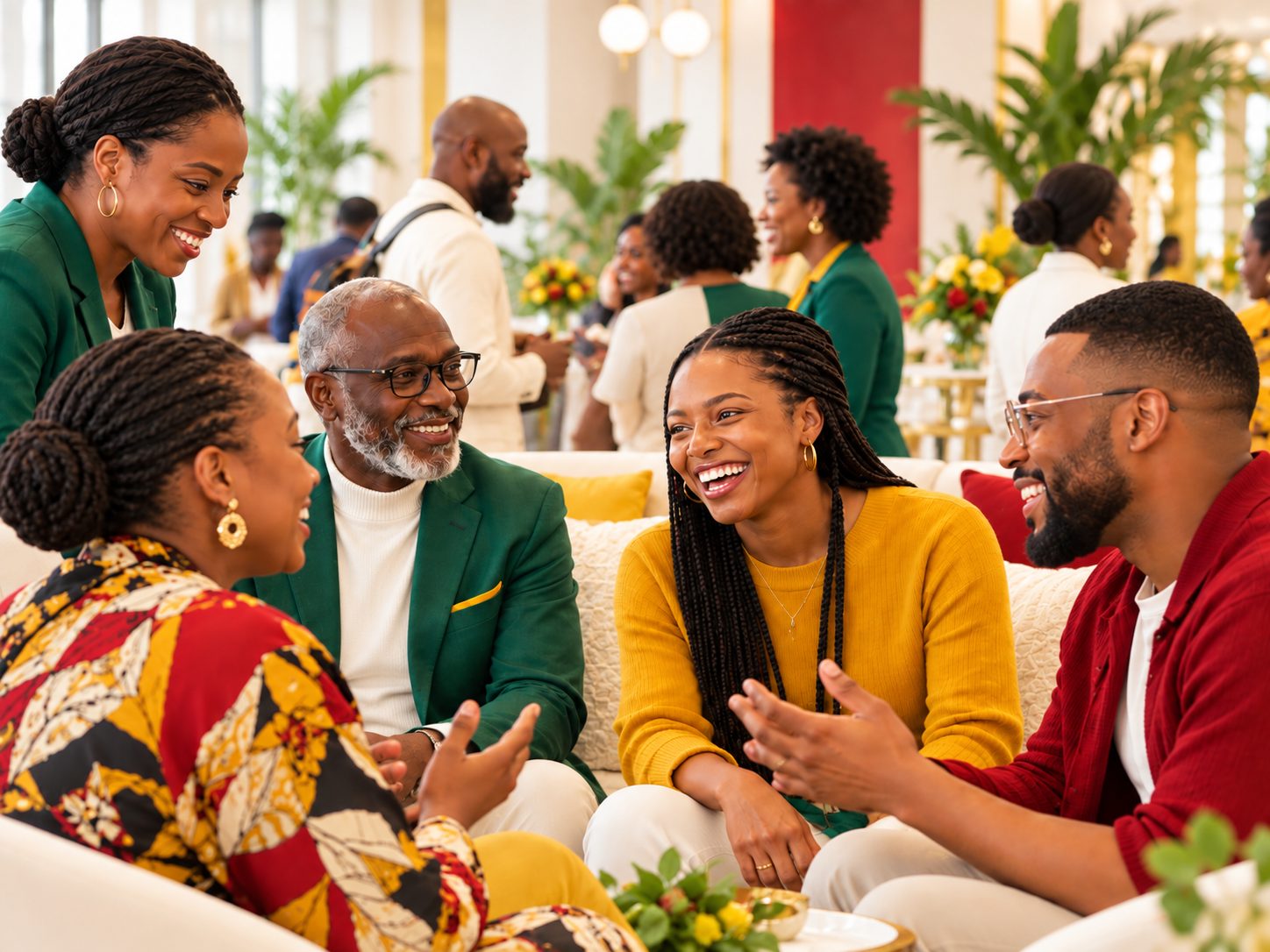
Black Health Equity Day is a vital initiative tackling the critical issue of health disparities impacting Black communities in the UK. We believe, together, we can transform the narrative surrounding Black health outcomes and create a healthier future.
These health inequities stem from social determinants of health, including factors like socio-economic status, education, and access to healthcare. Historical racial discrimination further compounds these issues, creating a significant impact on the overall health of Black Britons.
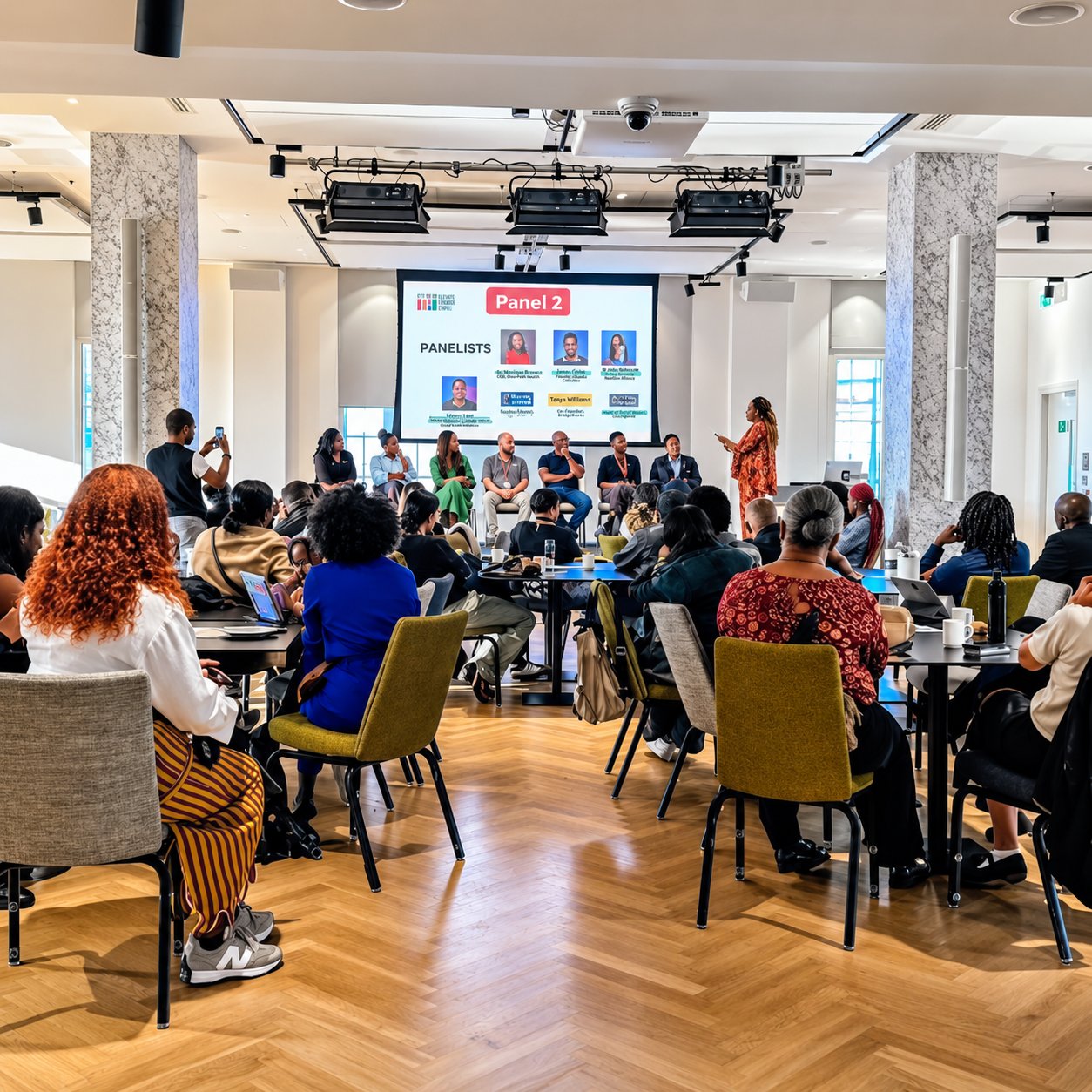
12 Oct
Black History Month
We are embracing strategies like enhancing health literacy, fostering community support networks, and promoting self-advocacy. Through education, engagement, and empowerment, we strive to enhance the health outcomes of the Black community.
Maternal health
Nearly 3×
Black women in England are nearly three times more likely than white women to die during or up to six weeks after pregnancy.
Cancer diagnosis
Black women in England are more likely than white British women to be diagnosed with late-stage breast, ovarian, womb and colon cancer.
Prostate cancer
2×
Black men are twice as likely to be diagnosed with prostate cancer: 1 in 4 will get it in their lifetime, compared with 1 in 8 white men.
Source: Prostate Cancer UK, based on Lloyd et al., BMC Medicine, 2015 (opens in a new tab)
Join Dr Itunu Johnson for a timely conversation on Black health equity, where we are now, and where we go from here.
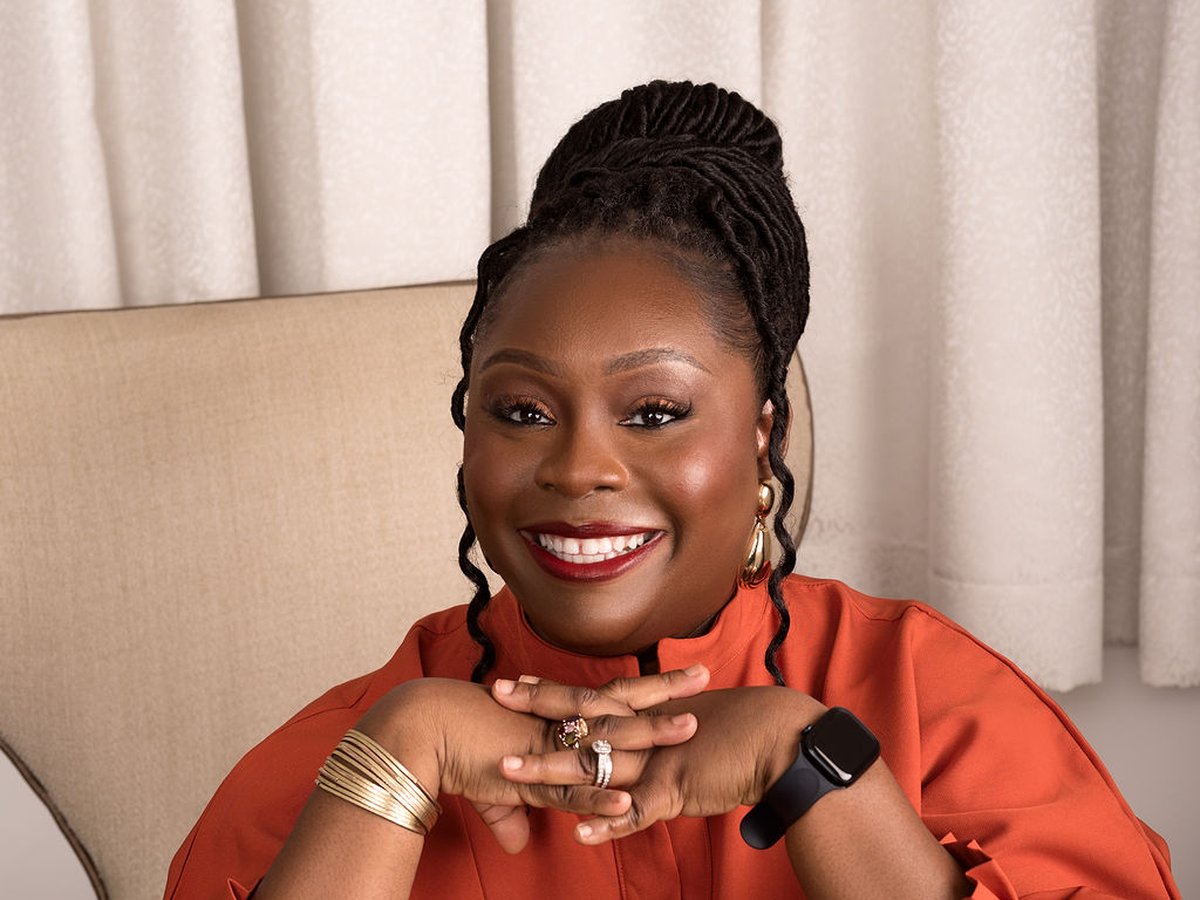
Host
Dr Itunu Johnson
GP & Menopause Specialist
Eleven articles by UK doctors on the health conditions that affect Black people differently, from high blood pressure and cancer to menopause and maternal health.
GP Dr Itunuoluwa Johnson-Sogbetun on the health gaps facing Black people in the UK and worldwide, and why education is the first step to closing them.
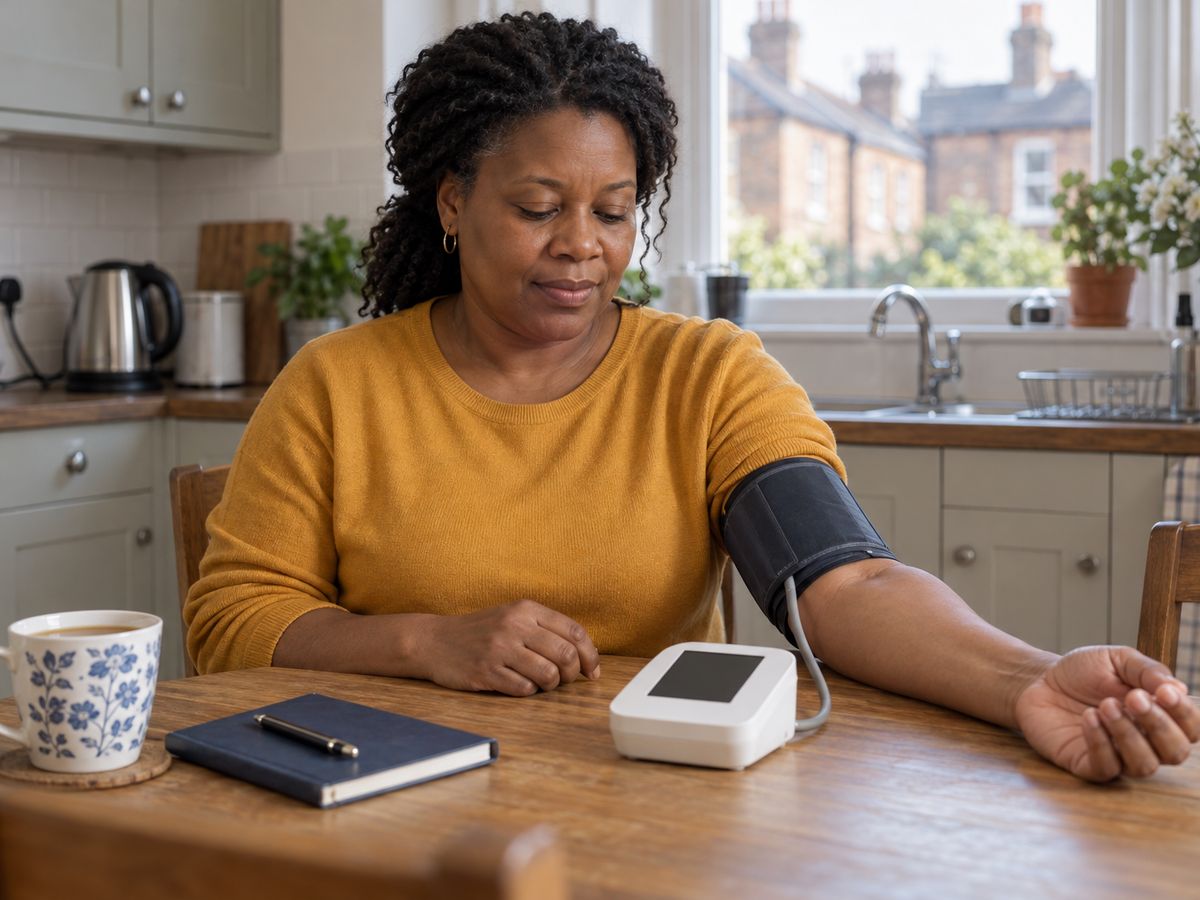
A GP diagnosed with hypertension at 27 explains UK blood pressure targets, how to check at home and which medicines work best for Black people.
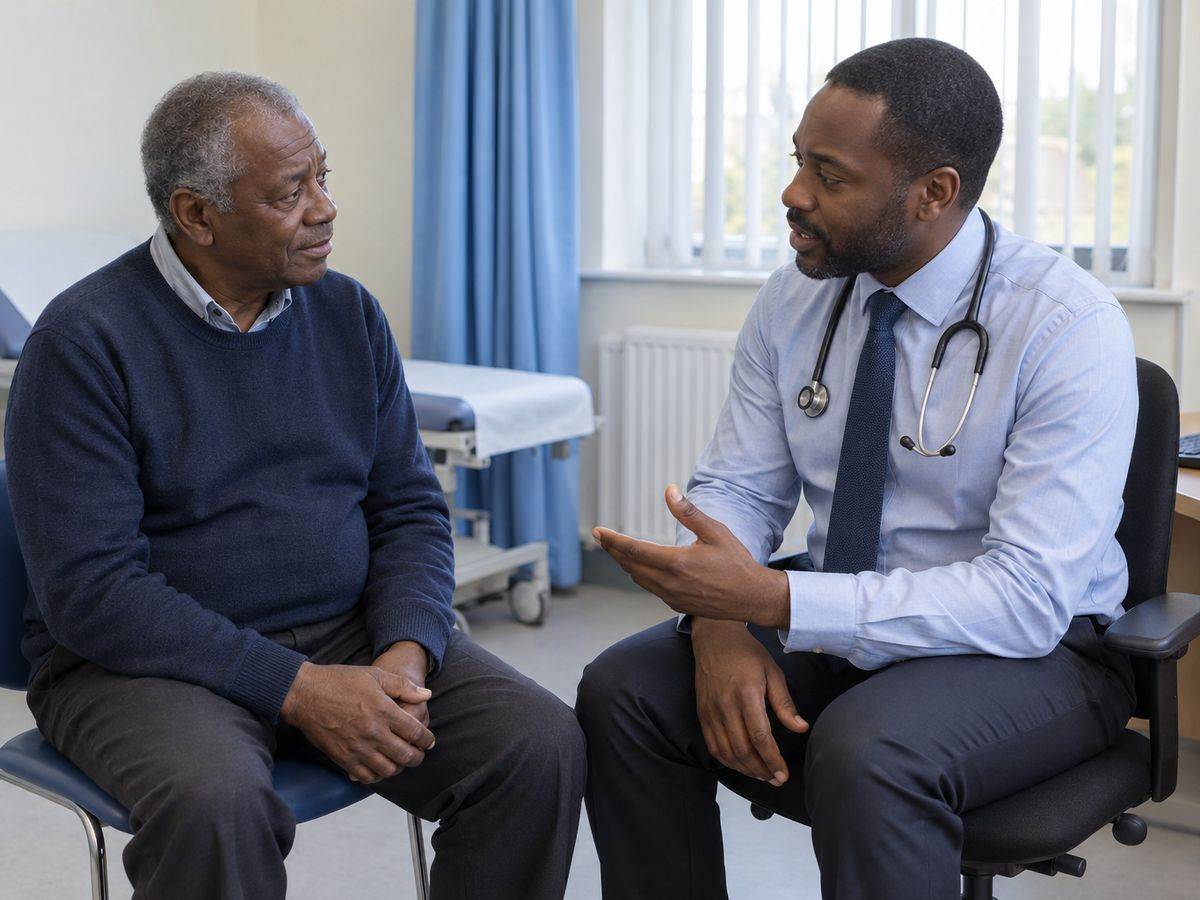
Black people in England are more often diagnosed late with breast and other cancers. A UK GP explains the warning signs and screening that save lives.
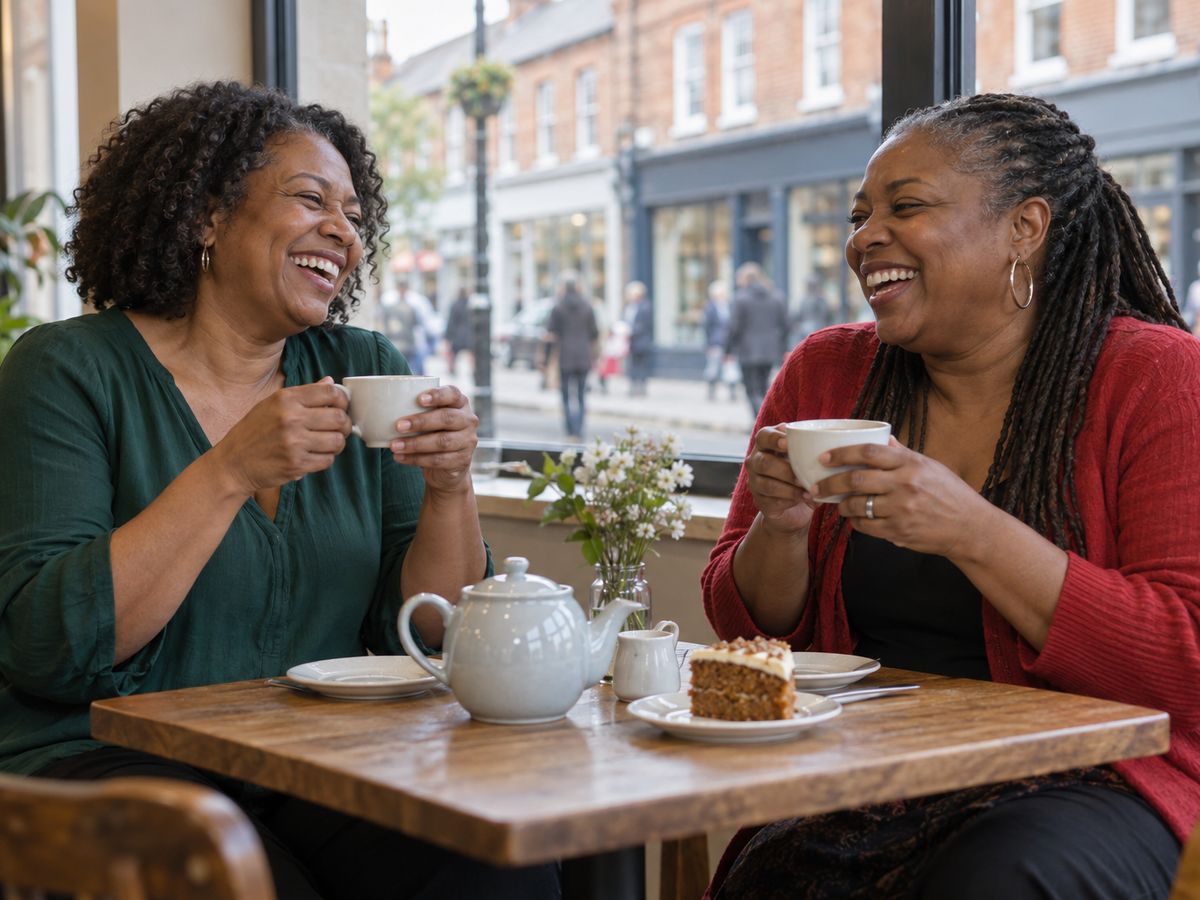
Black women often reach menopause earlier and have symptoms for longer. A GP and British Menopause Society member explains symptoms, HRT and risks.