HEAL for Black People: Health Equity and Advocacy Learning
HEAL: Black Health Equity Article Series
Eleven articles by UK doctors on the health conditions that affect Black people differently, from high blood pressure and cancer to menopause and maternal health.
Introduction
Why we built HEAL
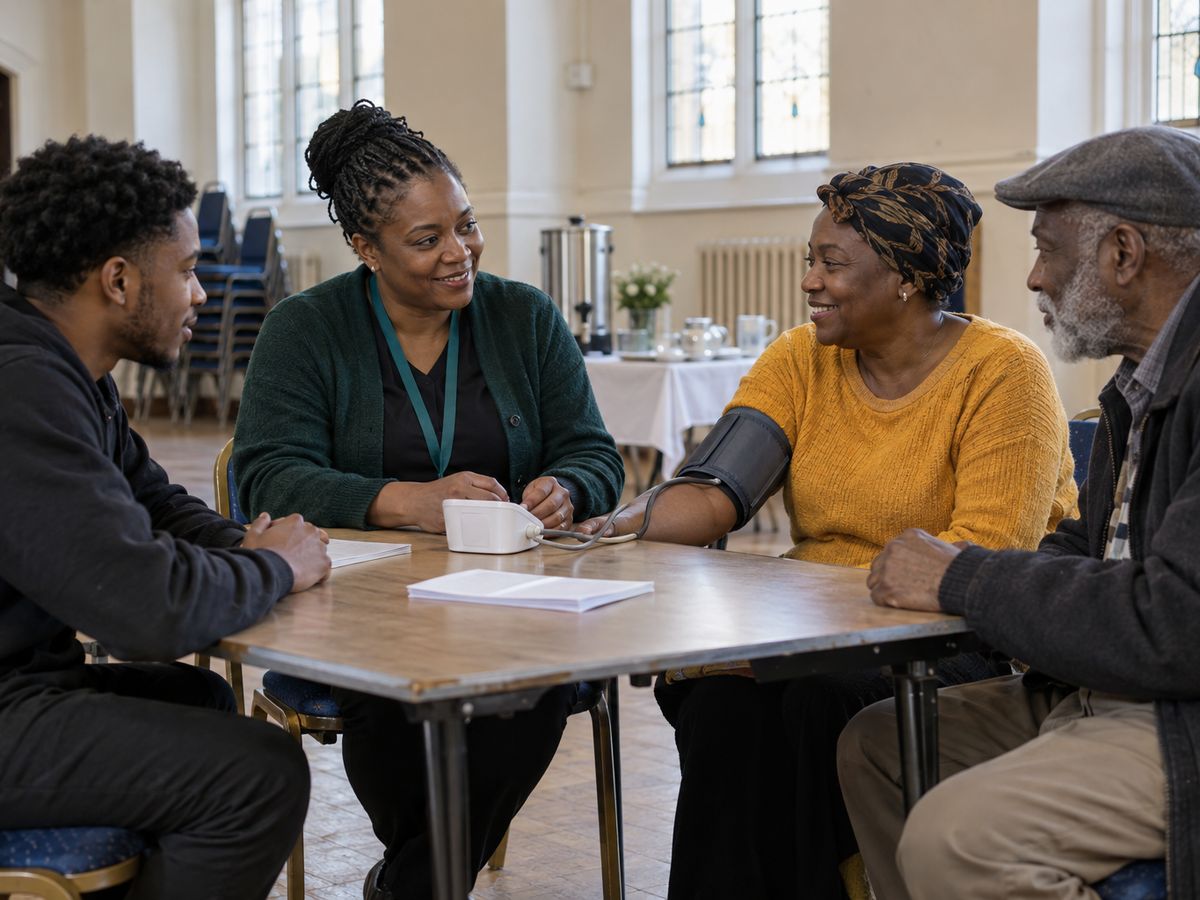
Black people in the UK and around the world face avoidable gaps in health, from maternal deaths to high blood pressure, driven by racism, deprivation and barriers to care. HEAL is a series by UK doctors that sets out those gaps condition by condition, because education is one of the fastest ways to start closing them.
Dr Itunuoluwa Johnson-SogbetunVideo length 13:54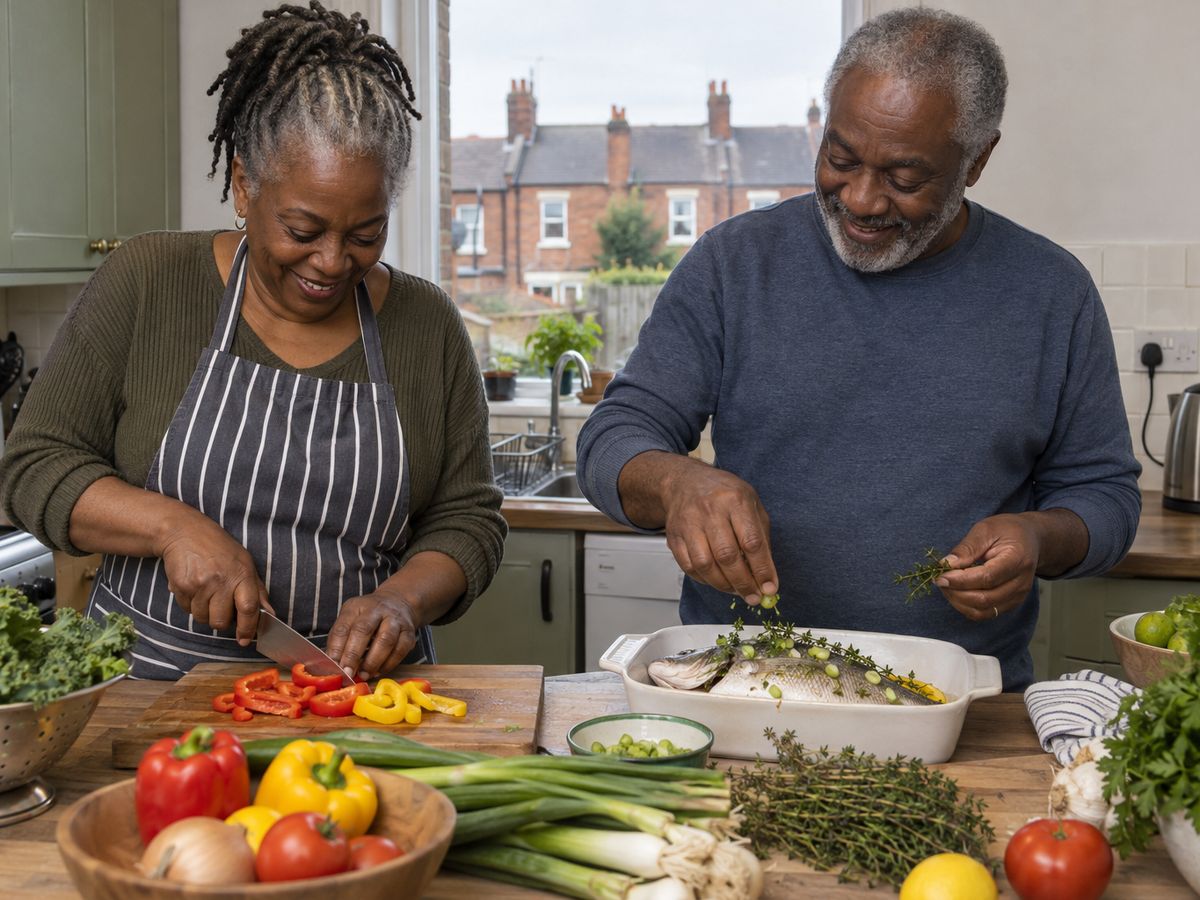
Vascular health
The hidden weight on Black hearts
Black people carry a heavier burden of high blood pressure, type 2 diabetes and stroke, largely because of social conditions, salt-heavy seasonings and unequal access to care. Knowing your numbers and following the ABCDE of prevention (alcohol, blood pressure, cholesterol, diabetes and diet, exercise) can lower that risk.
Dr Izie Allison-OmoruyiVideo length 6:24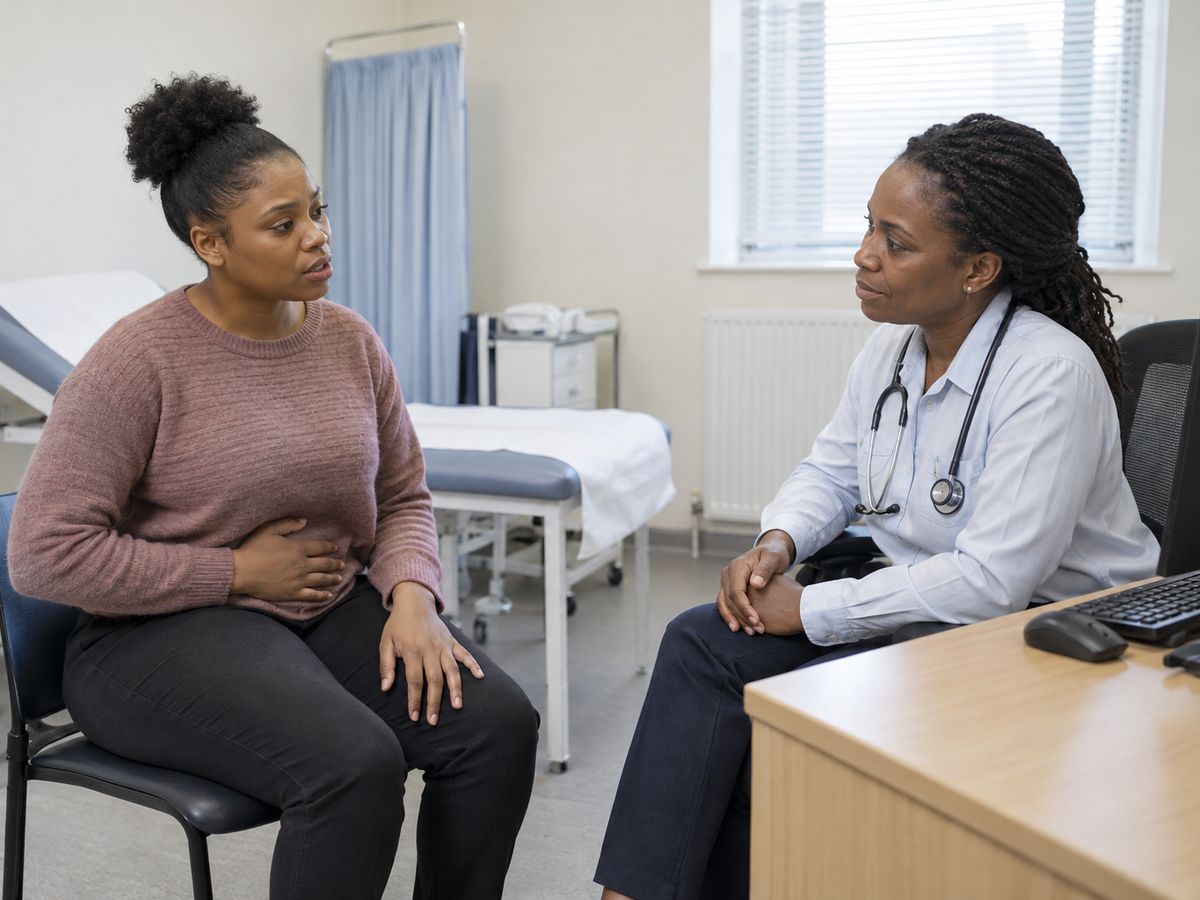
Women's health
The conditions Black women are told to live with
Fibroids, endometriosis, PMOS (formerly PCOS) and infertility affect Black women more often or more severely, yet their symptoms are frequently dismissed. Painful or very heavy periods are not normal: keep a symptom diary, ask about these conditions by name, and seek a second opinion if you are not being heard.
Dr Aziza SesayVideo length 26:03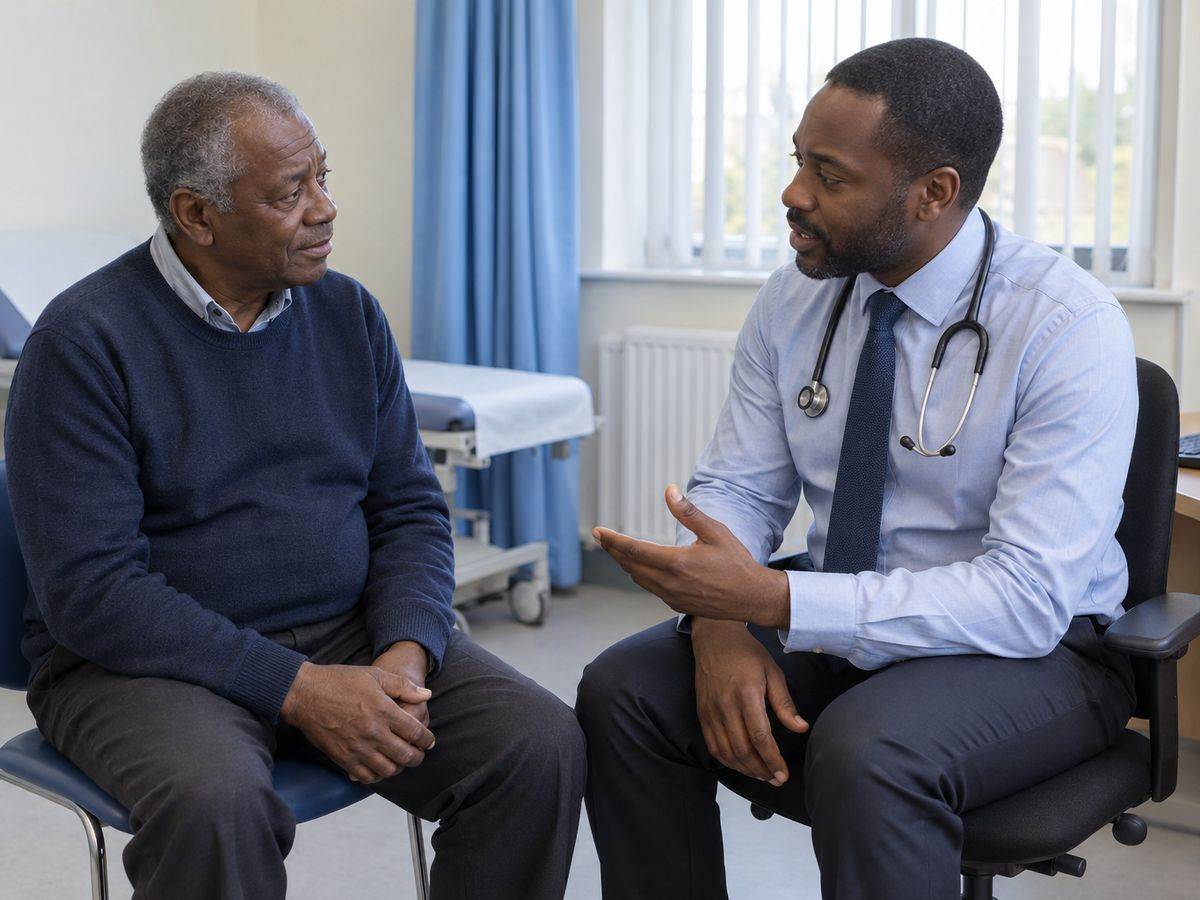
Cancer risk
Cancer does not have to be more common to be more deadly
Most cancers are not more common in Black people in England, but they are more often found at a later stage, when they are harder to treat. Knowing the warning signs, taking up every NHS screening invitation and asking about prostate testing from 45 are the most powerful ways to close that gap.
Dr Itunuoluwa Johnson-SogbetunVideo length 13:27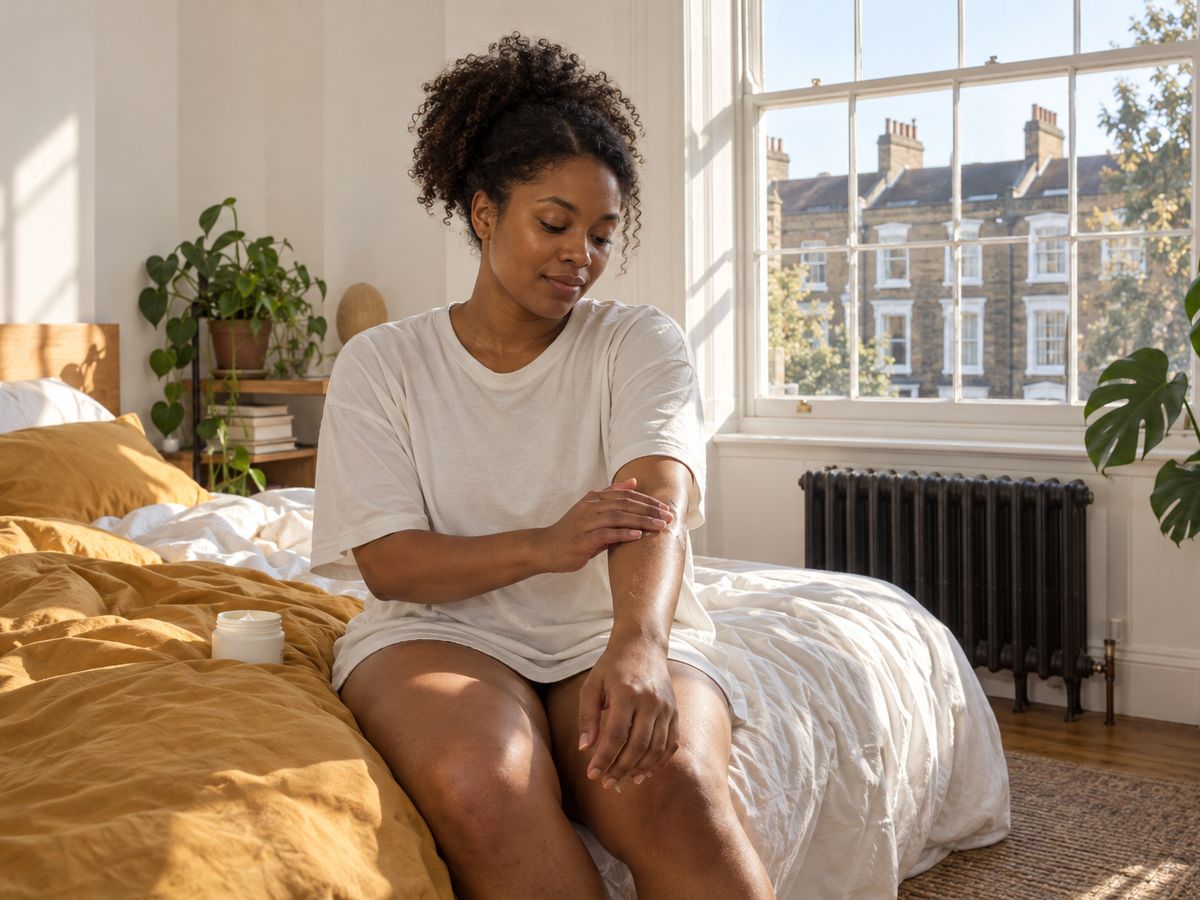
Skin health
Our skin is not immune
Black skin is more prone to eczema, scalp conditions and dark marks after acne, and these often look different from textbook pictures, so they can be missed. Skin cancer is rarer in Black people but is more often found late, usually on the palms, soles or under the nails, so regular self-checks matter.
Dr Yvonne AbimbolaVideo length 19:50
Muscular and joint health
The vitamin D gap in our joints
Dark skin makes less vitamin D from sunlight, and low vitamin D is very common in Black adults. The NHS advises people of African or African-Caribbean heritage to consider 10 micrograms (400 IU) a day all year round. Persistent joint pain, stiffness or fatigue deserves proper assessment, not dismissal.
Dr Jessica KatangaVideo length 7:48
Men's health
Brothers, it is time we talked
About 1 in 4 Black men in the UK will get prostate cancer, double the risk of men overall, and they are more likely to be diagnosed late. Black men aged 45 and over should talk to their GP about PSA testing, and any change in urination, erections or testicles should be checked early.
Dr Derek Adu-SarkodieVideo length 16:48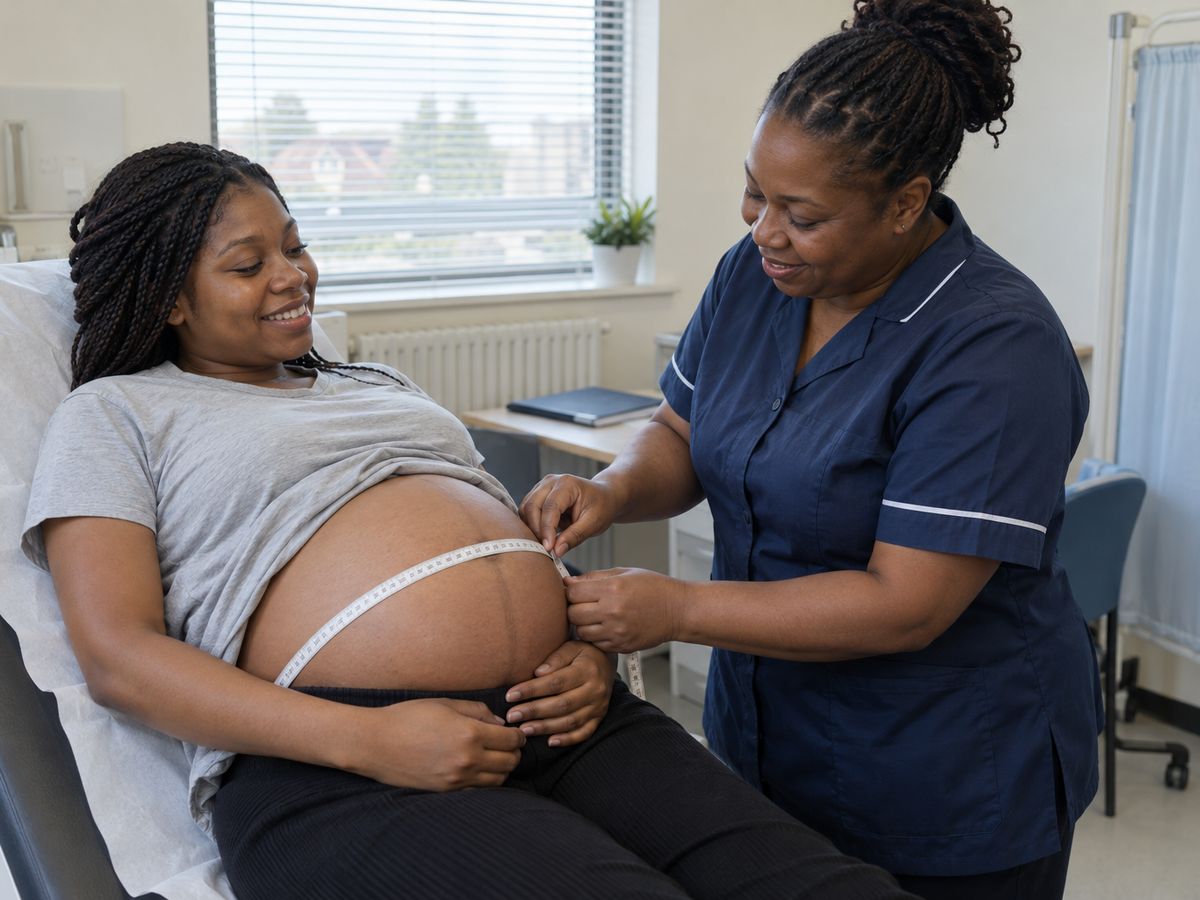
Maternal, perinatal and child health
Safer beginnings for Black mothers and children
Black women in the UK are 2.7 times more likely than white women to die during pregnancy or soon after, and Black babies are more than twice as likely to be stillborn. Racism, bias, missed antenatal care and deprivation all contribute, and income or education alone does not close the gap.
Dr Zaneta Forson-DareVideo length 13:12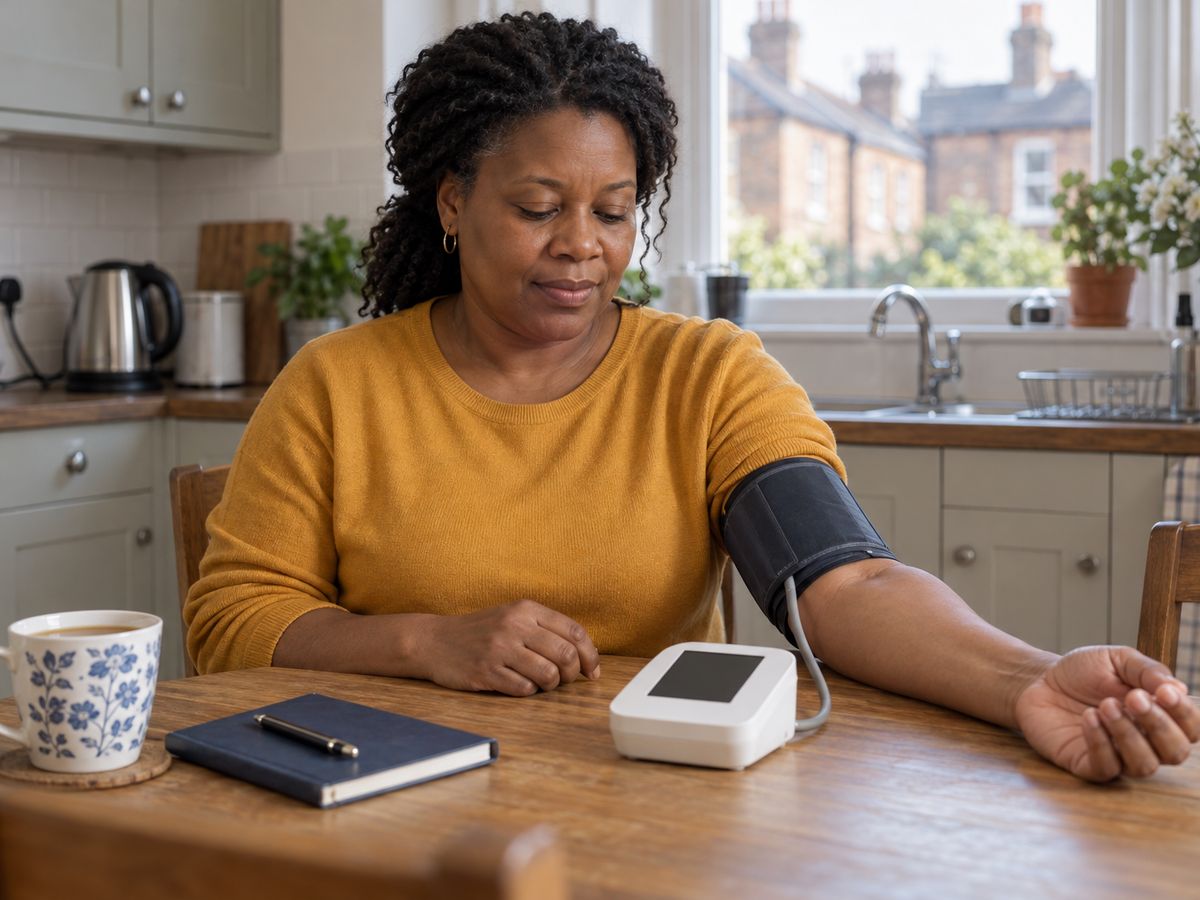
Special feature
Hypertension works differently in Black bodies
High blood pressure is more common in Black people, is more sensitive to salt, and often starts younger. In the UK it is diagnosed at 140/90 in clinic or 135/85 at home, and adults of Black African or Caribbean origin without diabetes usually start with a calcium channel blocker such as amlodipine.
Dr Itunuoluwa Johnson-SogbetunVideo length 18:44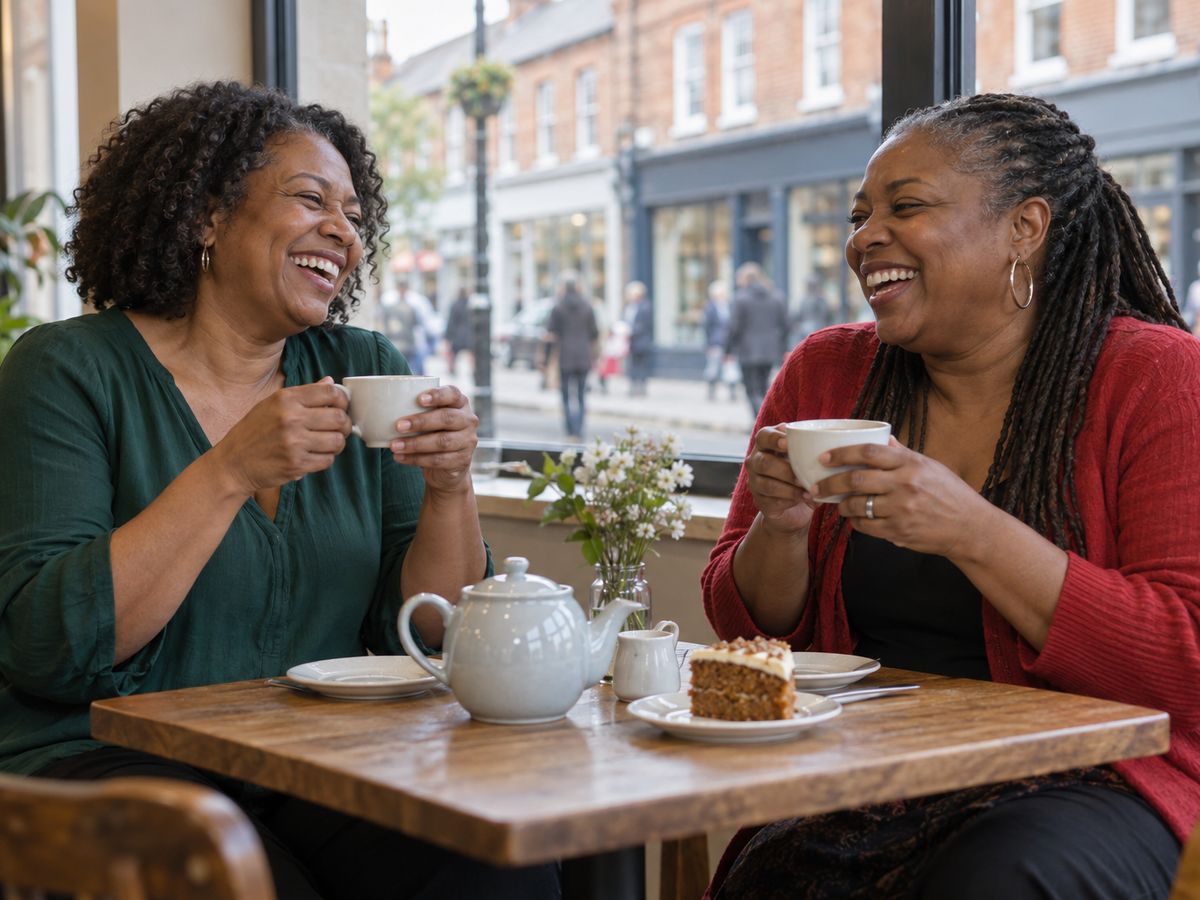
Empower Her
Black women and menopause
Black women tend to reach menopause one to two years earlier than white women and often have hot flushes and night sweats for longer, around ten years in one large study. HRT is the most effective treatment, and for most women under 60 its benefits outweigh the risks.
Dr Itunuoluwa Johnson-SogbetunVideo length 1:19:12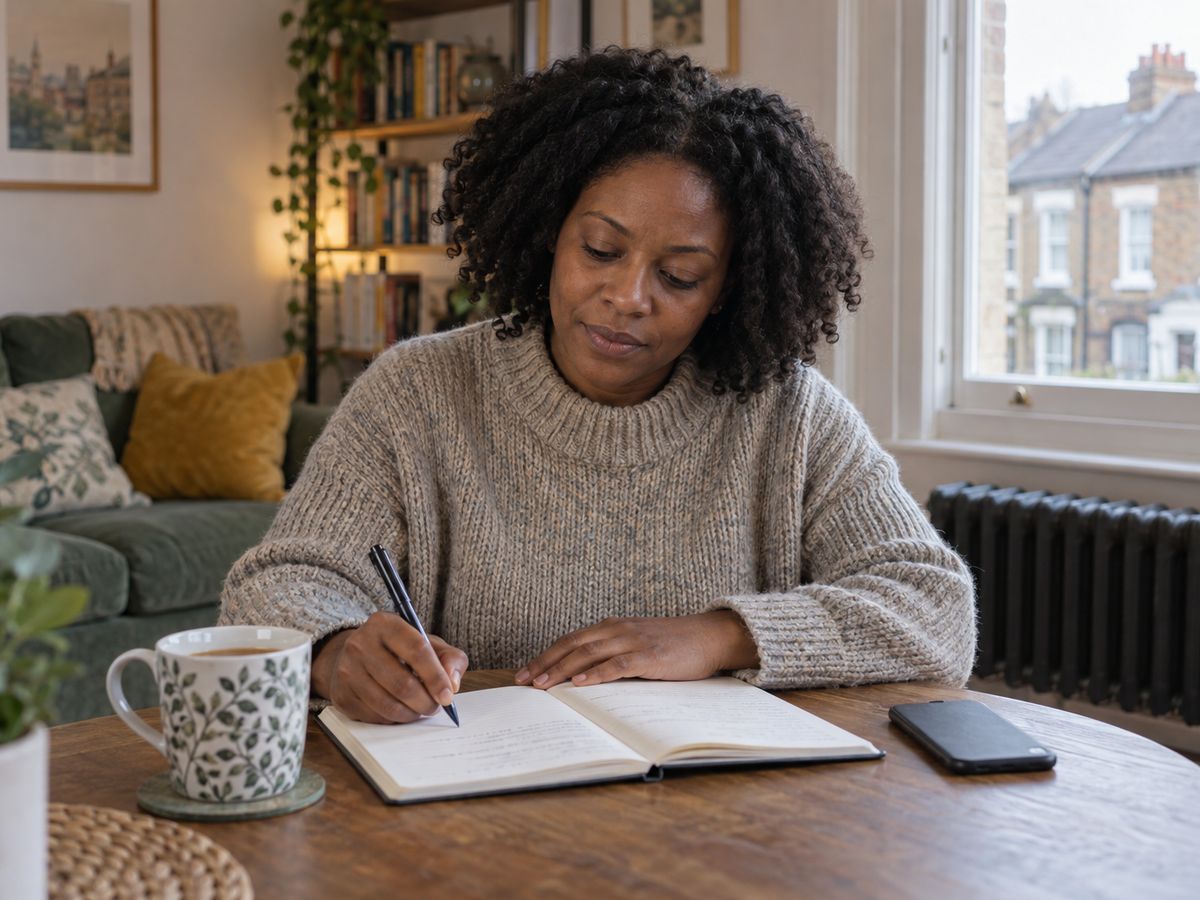
Conclusion
From struggles to solutions
Black health inequities come from overlapping causes: historic injustice, deprivation, barriers to care, stress and mistrust. Patients can go to appointments prepared, bring support and ask for second opinions, while clinicians can use the BRIGHT CARE framework to deliver fairer, more trusted care.
Dr Tosin Ajayi-SotuboVideo length 15:16